Abstract Line Bold Brown Purple Pattern: A Versatile Tribal Vector Resource
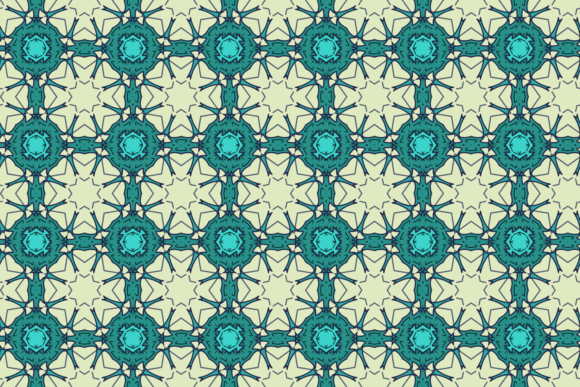
The Abstract Line Bold Brown Purple Pattern is a high-fidelity, culturally grounded vector design rooted in African textile traditions. Unlike generic geometric repeats or digitally generated textures, this pattern combines intentional line weight, rhythmic repetition, and a restrained yet expressive color palette—predominantly deep brown and rich purple—with subtle contouring that evokes hand-drawn sketch energy and embroidery precision. It’s not merely decorative; it carries visual language drawn from ethnic tribal motifs while remaining abstract enough to avoid literal representation, making it adaptable across contexts without cultural misappropriation concerns when used thoughtfully.
What Sets This Pattern Apart From Other Seamless Designs
Many seamless patterns prioritize either authenticity or flexibility—but rarely both. Some African-inspired assets lean heavily into photorealistic textile scans, which limit scalability and editing. Others opt for minimalist modernism, sacrificing the organic rhythm and layered nuance found in traditional weaving or dyeing techniques. The Abstract Line Bold Brown Purple Pattern bridges that gap: its 100% vector construction ensures crisp output at any size, while its deliberate use of bold linear elements and triangular accents reflects compositional strategies seen in Ashanti kente, Bamana bogolan, and other West African textile systems—without copying specific symbols or sacred arrangements.
This distinction matters most in production environments where fidelity and function intersect. For example, a fashion designer developing a limited-run capsule collection might need to scale the pattern across silk scarves (requiring smooth curves and clean edges) and cotton tote bags (where bolder contrast improves legibility). A wallpaper studio producing peel-and-stick murals needs consistent tiling with zero visible seams—and this pattern delivers precisely that, thanks to its mathematically aligned repeat units and balanced negative space.
Format Flexibility and Real-World Editing Needs
The inclusion of Ai, EPS, SVG, and JPG files addresses practical workflow diversity. Designers using Adobe Illustrator benefit from fully editable layers—text, shapes, and color swatches can be modified without raster degradation. SVG support enables web developers to embed the pattern directly into CSS backgrounds or interactive interfaces, preserving responsiveness and reducing HTTP requests. Even the JPG variant is provided at 300dpi, useful for quick mockups, print proofs, or clients who lack vector software.
Compare this to raster-only pattern packs: those may render beautifully on screen but blur or pixelate when enlarged for architectural applications like tile layouts or large-format signage. Conversely, some “vector-only” resources skimp on organization—layers are flattened, colors ungrouped, or naming inconsistent—making adjustments time-consuming. Here, the claim of “well organized” holds up: paths are grouped logically (e.g., base repeat unit, accent lines, background fill), and color values follow standard CMYK/RGB conventions, easing integration into brand guidelines.
Where It Excels—and Where Alternatives May Be Better
This pattern shines in projects demanding warmth, cultural resonance, and technical reliability. Interior designers specifying wallcoverings for boutique hospitality spaces often choose it for its ability to add depth without overwhelming—brown grounds the composition, purple introduces quiet vibrancy, and the linear structure creates movement without visual noise. Similarly, packaging teams for artisanal goods (think small-batch teas, natural skincare, or craft chocolate) find the pattern communicates heritage and craftsmanship without appearing dated or overly literal.
However, it’s not universally optimal. If your project requires strict adherence to a specific cultural motif—for instance, replicating exact Yoruba adinkra symbolism or Maasai beadwork geometry—this Abstract Line Bold Brown Purple Pattern intentionally avoids such specificity. It’s interpretive, not documentary. In those cases, working with culturally informed illustrators or licensed archival sources would be more appropriate.
Similarly, for ultra-minimalist branding (e.g., tech startups favoring monochrome sans-serif systems), the pattern’s expressive line work and dual-tone palette may feel too assertive. A simpler grayscale geometric repeat—or even a custom-designed single-element icon—might align better with tonal restraint goals.
Practical Use Cases Across Industries
- Fashion & Textiles: Applied to fabric yardage for dresses, jackets, or accessories—especially where drape and print clarity matter. The vector nature allows precise registration for digital textile printing, avoiding moiré or banding common with low-res JPEGs.
- Interior Design: Scaled for wallpaper, upholstery, or ceramic tile decals. Its seamless repeat eliminates alignment headaches during installation, and the brown-purple contrast works across lighting conditions—from north-facing studios to sun-drenched retail showrooms.
- Graphic Design & Branding: Used as a subtle background layer in presentations, reports, or social media templates. Because it’s vector-based, designers can easily desaturate or recolor sections to match evolving brand palettes without losing quality.
- Product Packaging: Wrapped around boxes, labels, or gift wrap. The pattern’s square repeat format simplifies die-cut planning, and its strong contours hold up well on matte or textured paper stocks.
Comparing Color, Scale, and Cultural Sensitivity
Brown and purple are chosen deliberately—not just for aesthetic harmony, but for functional versatility. Brown offers grounding neutrality, working alongside warm wood tones, concrete finishes, or earthy ceramics. Purple adds dimension without stridency; unlike neon or electric hues, it reads as sophisticated rather than trendy. That balance makes the Abstract Line Bold Brown Purple Pattern more enduring than seasonal palettes reliant on fleeting color trends.
Culturally, the pattern avoids appropriation red flags: no sacred geometry is replicated, no ceremonial symbols are abstracted without context, and the “tribal” descriptor refers to formal qualities (repetition, rhythm, symmetry) rather than claiming lineage. It functions as a stylistic homage—not a substitute for collaboration with African artists or communities.
When to Choose This Over Other Options
You’ll likely find the Abstract Line Bold Brown Purple Pattern most valuable if you need:
- A seamless, production-ready asset that scales flawlessly from business cards to billboards;
- A design with cultural texture but broad interpretive latitude;
- Editable source files that respect professional workflows (layer names, color groups, vector integrity);
- A balance between tradition and modern utility—neither museum-piece replication nor generic abstraction.
If your priority is rapid prototyping with zero editing required, a pre-colored JPG tile may suffice. If you’re building a library of culturally specific motifs for educational use, curated ethnographic archives or commissioned illustrations will serve better. But for cross-disciplinary creatives balancing authenticity, adaptability, and technical rigor—the Abstract Line Bold Brown Purple Pattern offers a rare convergence of intention and execution.